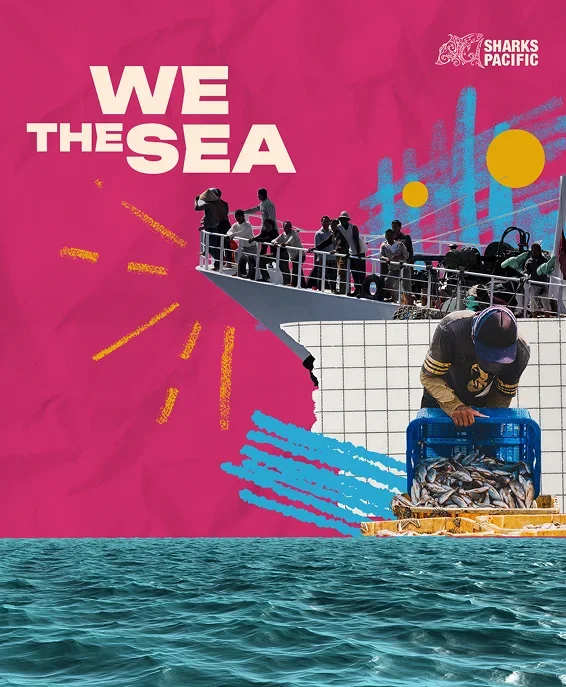
There's no conservation without accountability. Out on the high seas, crews can go months without a port call, and catch changes hands with no independent witness. We The Sea brings fishers, scientists and communities together to move transshipment to the ports, where people and catch can be accounted for.
Learn More
What happens at sea, shouldn’t stay at sea
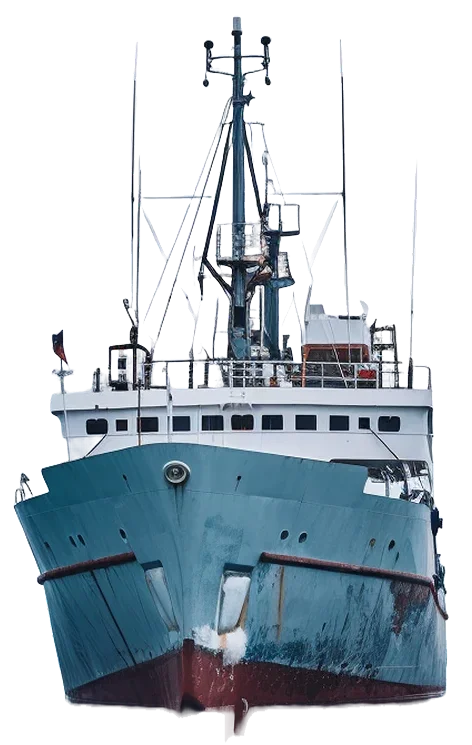
Transshipment is the transfer of catch between vessels, at sea or in port. In port or within national waters, Pacific states can monitor it, inspect it and benefit from it. But on the high seas, outside any state's jurisdiction, it often happens with no independent observer on board. That leaves little record of what was caught, how much, or where, and it moves value away from the Pacific. Roughly half of these transfers have no logistical reason to happen at sea at all.
Learn More




Heading
subheading
Lorem ipsum dolor sit amet, consectetur adipiscing elit, sed do eiusmod tempor incididunt ut labore et dolore magna aliqua.
High Hopes for the High Seas
We the Sea calls on fishing nations surrounding the high seas to reach across borders. It calls on fishing communities, scientists, economists, and advocates to call on the WCPFC and put pressure on illegal transshipping activities.
In 2009, WCPFC members banned high-seas transshipment, except where a country deems it "impracticable." The exception became the norm. Now fishers, scientists, and advocates across the Pacific and Asia are asking for two things: close the loophole and fully monitor transshipment in port and national waters.
Key Dates
1-5 March 2027
SPRFMO Meeting
15th Annual Meeting of the South Pacific Regional Fisheries Management Organisation (SPRFMO) Commission in Brussels, Belgium. SPRFMO is the intergovernmental body that manages high seas fishing in the South Pacific.gna aliqua.
south-korea
11-22 January 2027
BBNJ COP1
The first Conference of the Parties to the BBNJ Agreement, better known as the High Seas Treaty, at UN Headquarters, New York. Governments meet for the first time to decide how the treaty will protect marine life in waters beyond national borders.
south-korea
30 November 2026
WCPFC Meeting
The 23rd Regular Session of the Western and Central Pacific Fisheries Commission (WCPFC) in Port Vila, Vanuatu. WCPFC manages the world’s largest tuna fishery and sets the rules on catch, sharks and transshipment across the Pacific.
south-korea
17-20 November 2026
7th WCMB
The 7th World Conference on Marine Biodiversity is a UN Ocean Decade Event that gathers scientists, policymakers, and conservationists to assess progress and collaborate on the conservation and sustainable management of global marine ecosystems.
south-korea
1-5 March 2027
SPRFMO Meeting
15th Annual Meeting of the South Pacific Regional Fisheries Management Organisation (SPRFMO) Commission in Brussels, Belgium. SPRFMO is the intergovernmental body that manages high seas fishing in the South Pacific.gna aliqua.
japan
11-22 January 2027
BBNJ COP1
The first Conference of the Parties to the BBNJ Agreement, better known as the High Seas Treaty, at UN Headquarters, New York. Governments meet for the first time to decide how the treaty will protect marine life in waters beyond national borders.
japan
30 November 2026
WCPFC Meeting
The 23rd Regular Session of the Western and Central Pacific Fisheries Commission (WCPFC) in Port Vila, Vanuatu. WCPFC manages the world’s largest tuna fishery and sets the rules on catch, sharks and transshipment across the Pacific.
japan
17-20 November 2026
7th WCMB
The 7th World Conference on Marine Biodiversity is a UN Ocean Decade Event that gathers scientists, policymakers, and conservationists to assess progress and collaborate on the conservation and sustainable management of global marine ecosystems.
japan
1-5 March 2027
SPRFMO Meeting
15th Annual Meeting of the South Pacific Regional Fisheries Management Organisation (SPRFMO) Commission in Brussels, Belgium. SPRFMO is the intergovernmental body that manages high seas fishing in the South Pacific.gna aliqua.
taiwan
11-22 January 2027
BBNJ COP1
The first Conference of the Parties to the BBNJ Agreement, better known as the High Seas Treaty, at UN Headquarters, New York. Governments meet for the first time to decide how the treaty will protect marine life in waters beyond national borders.
taiwan
30 November 2026
WCPFC Meeting
The 23rd Regular Session of the Western and Central Pacific Fisheries Commission (WCPFC) in Port Vila, Vanuatu. WCPFC manages the world’s largest tuna fishery and sets the rules on catch, sharks and transshipment across the Pacific.
taiwan
17-20 November 2026
7th WCMB
The 7th World Conference on Marine Biodiversity is a UN Ocean Decade Event that gathers scientists, policymakers, and conservationists to assess progress and collaborate on the conservation and sustainable management of global marine ecosystems.
taiwan
1-5 March 2027
SPRFMO Meeting
15th Annual Meeting of the South Pacific Regional Fisheries Management Organisation (SPRFMO) Commission in Brussels, Belgium. SPRFMO is the intergovernmental body that manages high seas fishing in the South Pacific.gna aliqua.
philippines
11-22 January 2027
BBNJ COP1
The first Conference of the Parties to the BBNJ Agreement, better known as the High Seas Treaty, at UN Headquarters, New York. Governments meet for the first time to decide how the treaty will protect marine life in waters beyond national borders.
philippines
30 November 2026
WCPFC Meeting
The 23rd Regular Session of the Western and Central Pacific Fisheries Commission (WCPFC) in Port Vila, Vanuatu. WCPFC manages the world’s largest tuna fishery and sets the rules on catch, sharks and transshipment across the Pacific.
philippines
17-20 November 2026
7th WCMB
The 7th World Conference on Marine Biodiversity is a UN Ocean Decade Event that gathers scientists, policymakers, and conservationists to assess progress and collaborate on the conservation and sustainable management of global marine ecosystems.
philippines

Who's With Us
Ending high-seas transshipment depends on governments knowing that people across Asia and the Pacific are paying attention. Join the Wave to stand with the fishers, observers and Pacific communities working to bring transshipment back into port.
We’ll keep you updated on the decisions that matter, from the WCPFC meeting in Port Vila to the High Seas Treaty talks, and tell you when there’s a clear moment to speak up.

Partner Name & Main Role
Partner Name & Main Role

Partner Name & Main Role
Follow the Campaign
We the Sea” campaign is led by Sharks Pacific, a non-profit advocating for the conservation and responsible management of sharks and the related marine environment through research, outreach and advocacy. Sharks Pacific is a registered 501(c)(3) in the State of California, USA (EIN 37-198911).